Guided by process
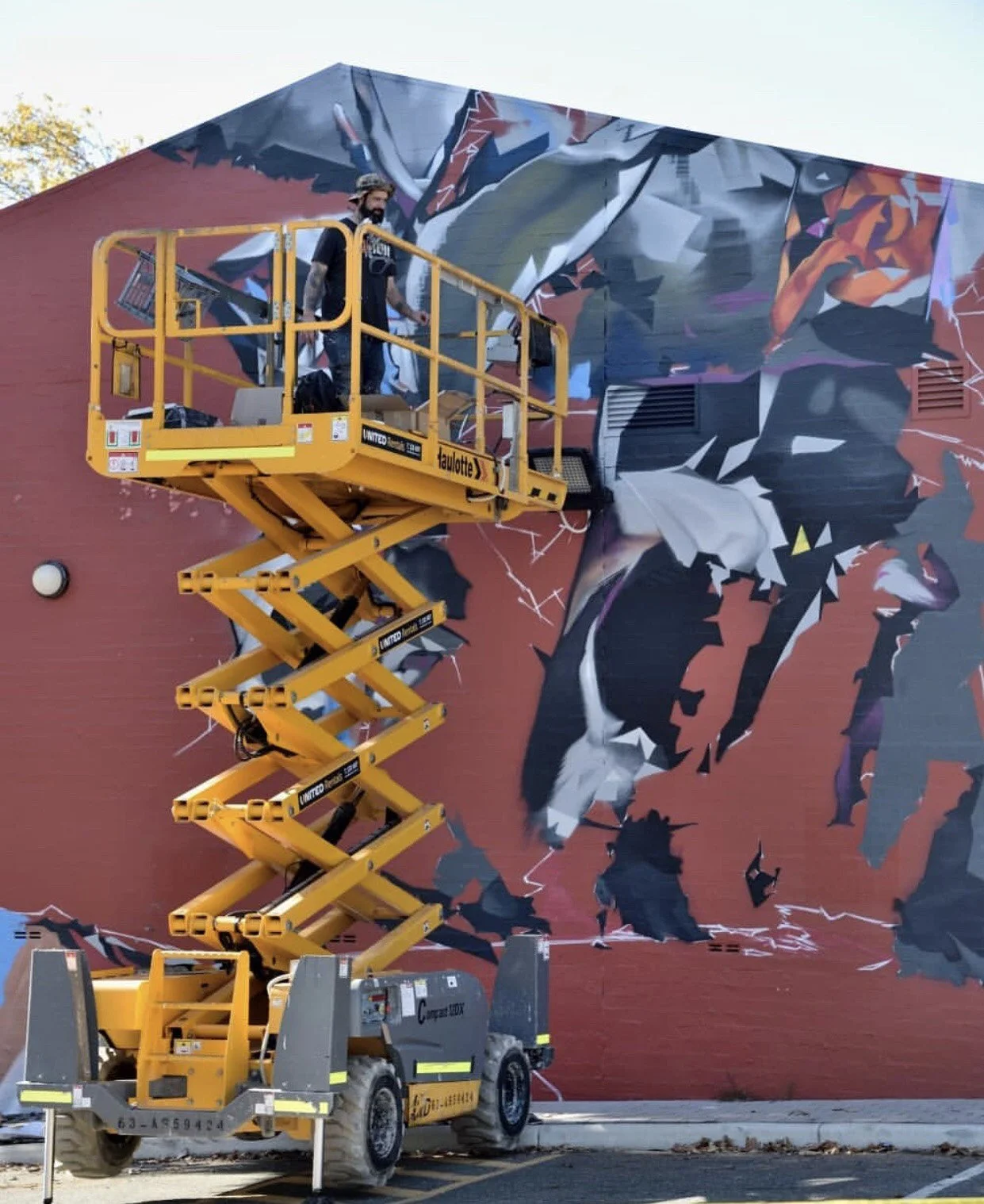
This overhaul of my site has been a great opportunity to look back at a lot of my projects I haven’t thought about for a while. This mural painted for Rediscover Armadale was a more pivotal shift in my direction than I realised at the time. I made a huge break from the portrait-based paintings that had been the basis of my first decade of large-scale work and opened up an entire new way of working, thinking and exploring a direction more process led. In short, I jumped into some unknown territory without a roadmap and just let one discovery lead to the next.
When I first started trying to move and set up in New York in late 2016, I knew I was at a creative crossroads. So much of what I’d worked on prior in both my studio and large-scale murals was portrait-based and very connected to part of the world I’m from. I first came to New York with a backpack, a few changes of clothes, my phone, a laptop, my camera and a couple of hard drives. I eventually got into a studio situation with Rime, but paying New York rents meant I was somewhat limited in what I could afford material wise so I decided to embraced and accept my situation and work within those limitations.
Sometime either in 2015 or 2016 I’d been invited to speak at Corbans Estate Arts Centre in West Auckland alongside two incredibly talented people - actor, producer and director Tom Hern and artist Janet Lilo. I was blown away by both of their talks and something Janet Lilo spoke about regarding her process really stuck with me. Her resourcefulness and ability to turn almost any material into expansive bodies of work resonated so much, especially considering how integral that same ethos has been to art forms like graffiti and Hip-Hop music, the things that drew me to making art in the first place. She told this story about attending a residency and deciding to only work with whatever material had been left behind by the previous artist, which happened to be a bunch of banana boxes. She then walked us through all the different iterations of work she created from that one resource and it was mind blowing. I can say after that day, I was changed and I drew on that energy the best I could on arriving in New York.
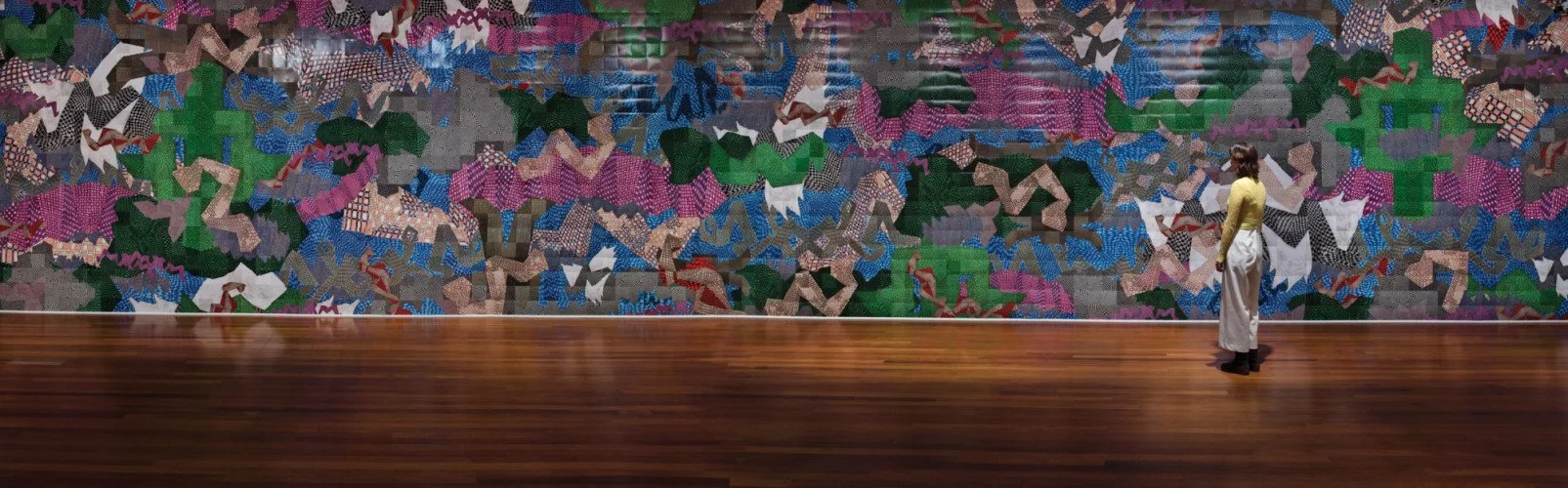
A large Janet Lilo work at the Dunedin Public Art Gallery, 2022 comprised of digital photographs. Photo by Justin Spiers.
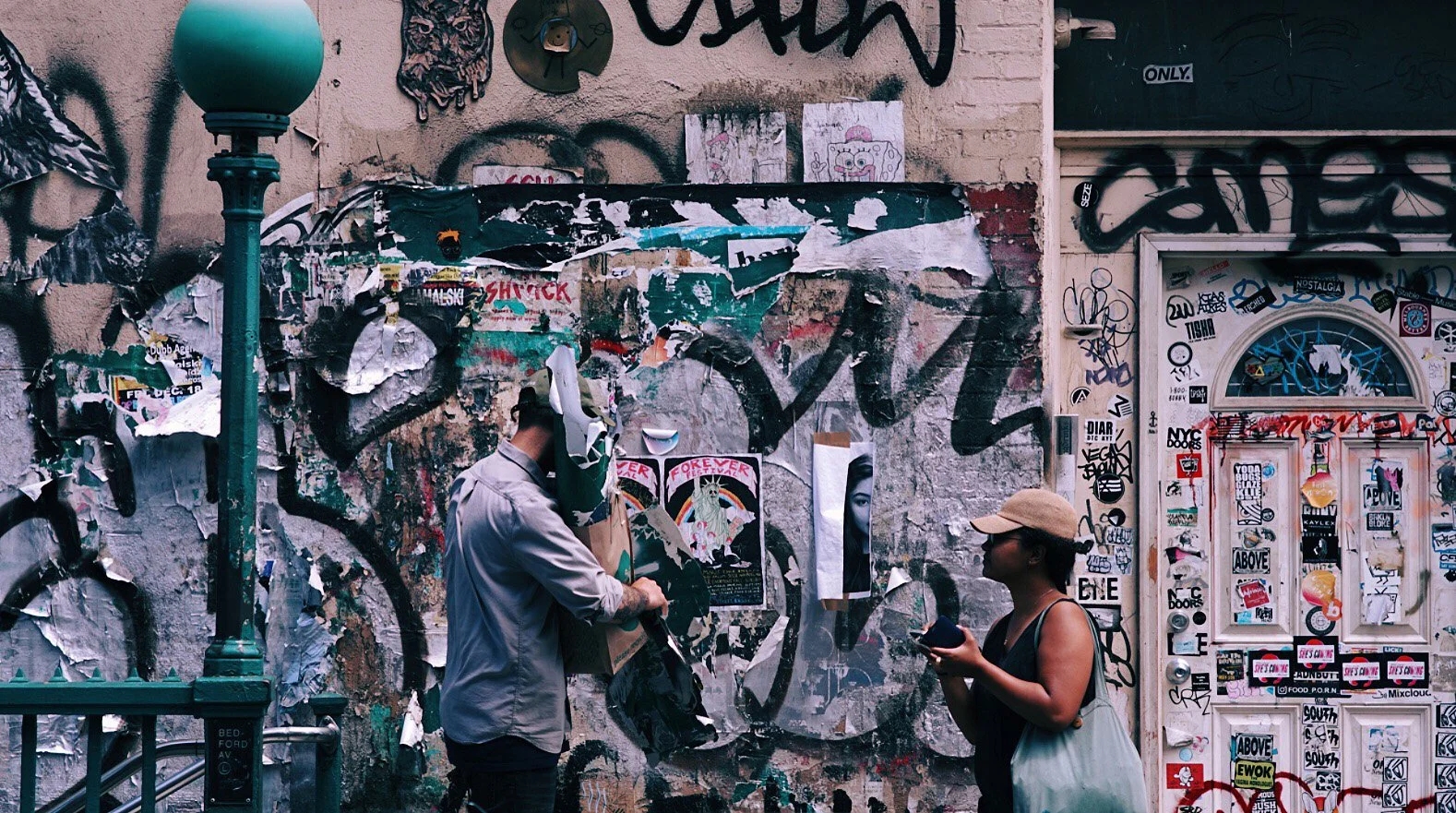
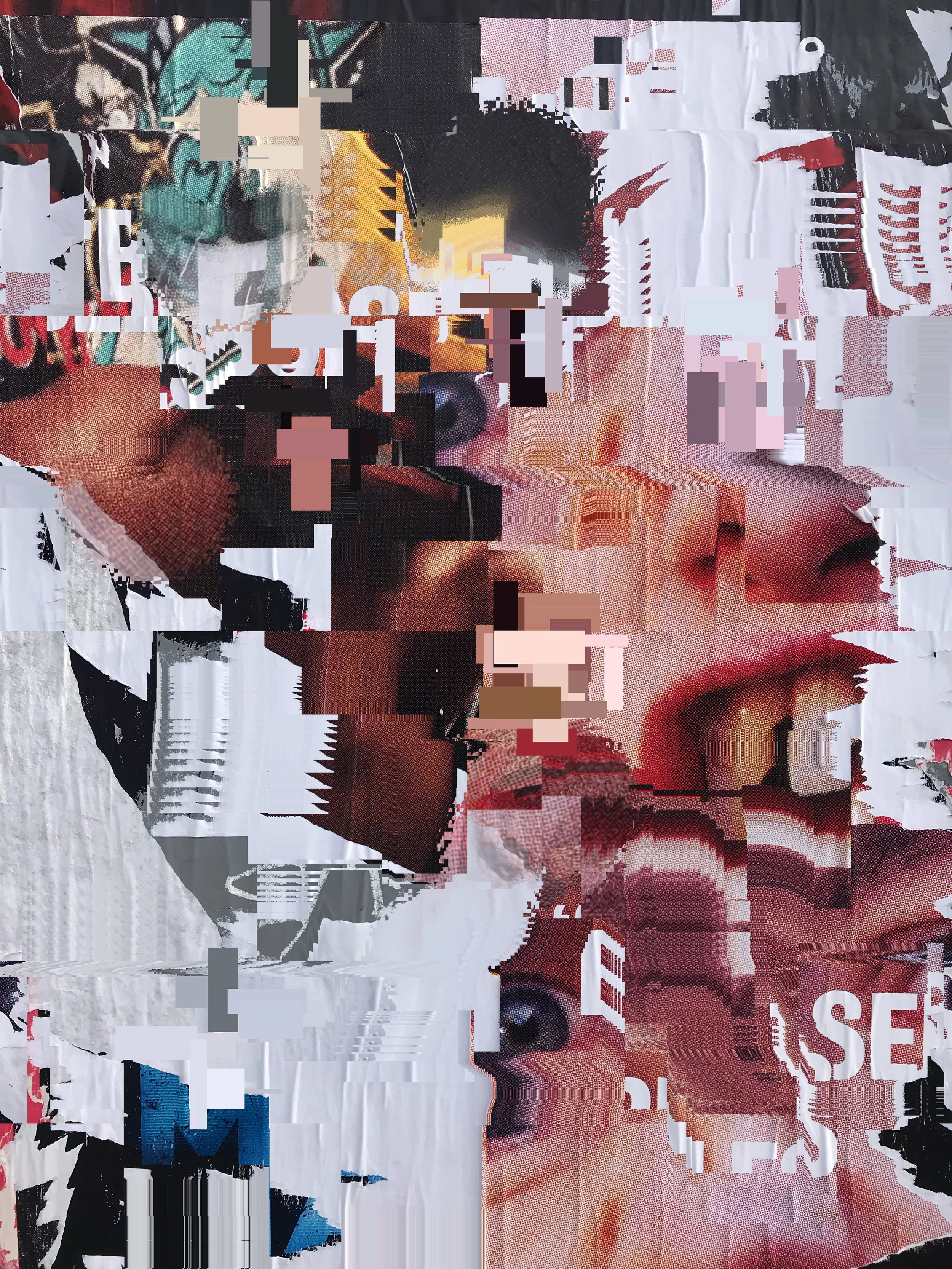
Moving to a big city like New York, it’s hard not to walk around in a daze. Some days, I’d set out early in the morning and walk and ride the subway all day, exploring and taking photos with my phone. A lot of what I was drawn to were the layers of torn street posters, graffiti and buff that covered many of the construction site hoardings across the city. I liked the fragments of photographic imagery, bold blocks of colour, sections of type that took on new contexts in juxtaposition with whatever else was revealed from lower layers, the intentional mark-making of graffiti writers and the unintended distressing from graffiti clean up crews applying cheap paint to a range of material. Sometimes I’d struck by how perfect a section of hoarding would be compositionally, maybe even better than anything I could have created from my imagination. I had used some of these types of textures in earlier portrait works prior to leaving Auckland but this time of exploration left me considering other ways to convey the themes of human migration and movement through urban spaces but on a broader scale. Over time as I amassed an library of images on my phone from New York and the other cities I’d travel to paint, I realised different places had unique flavours of street texture - New York, San Francisco, Los Angeles, Paris, Auckland, Shanghai… Everywhere I went, I took photos. It completely changed how I explored and viewed a city.
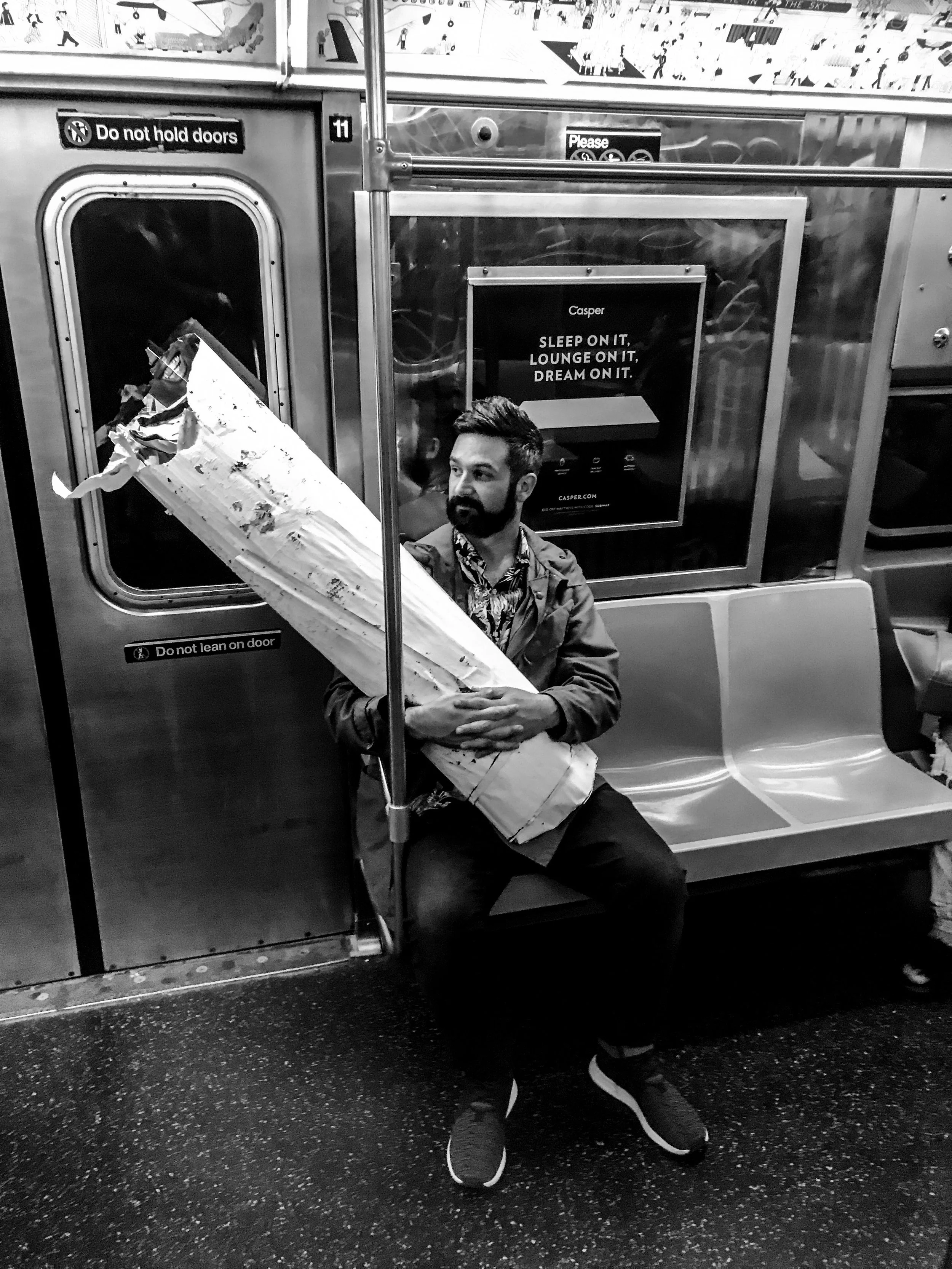
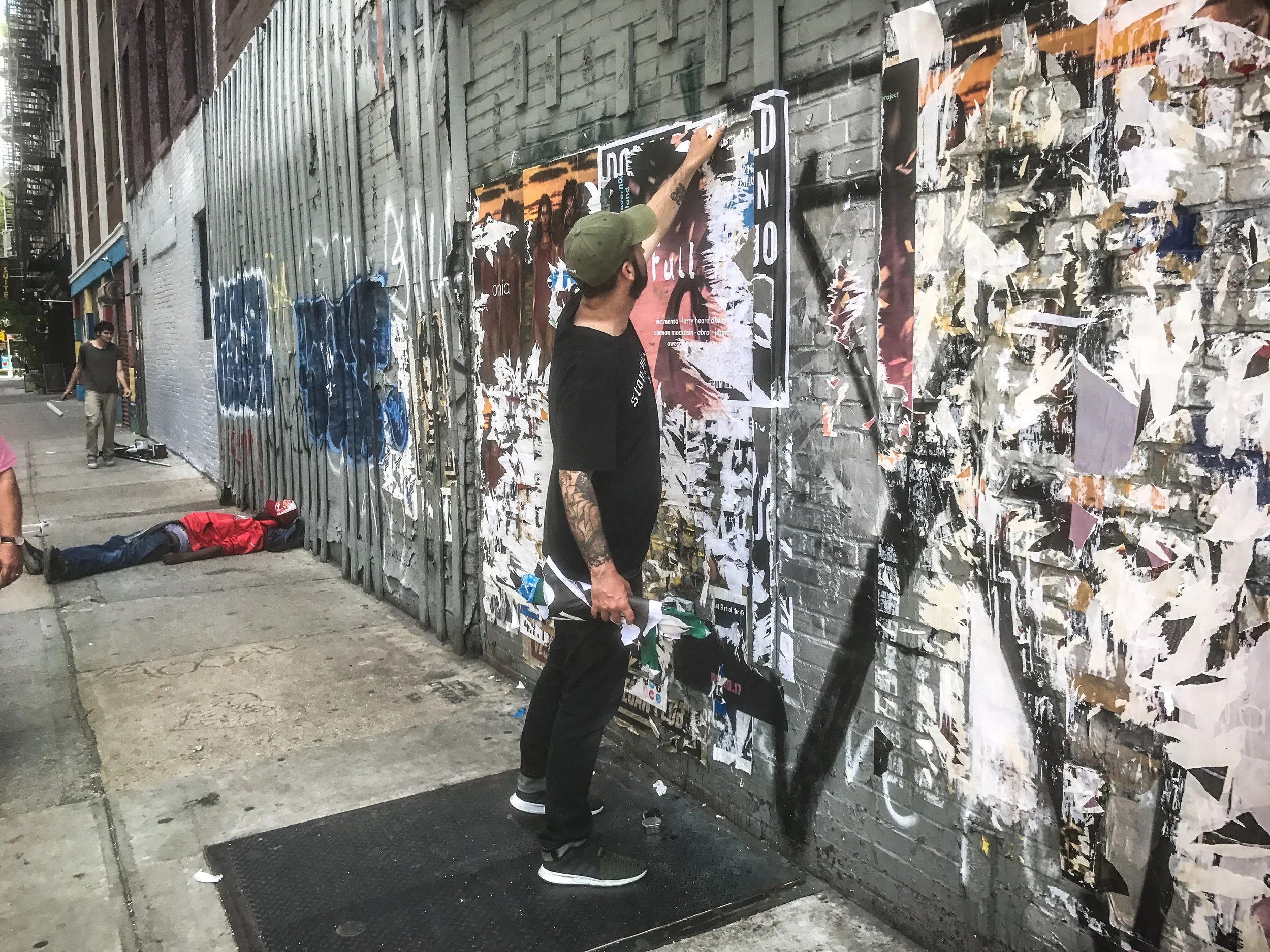
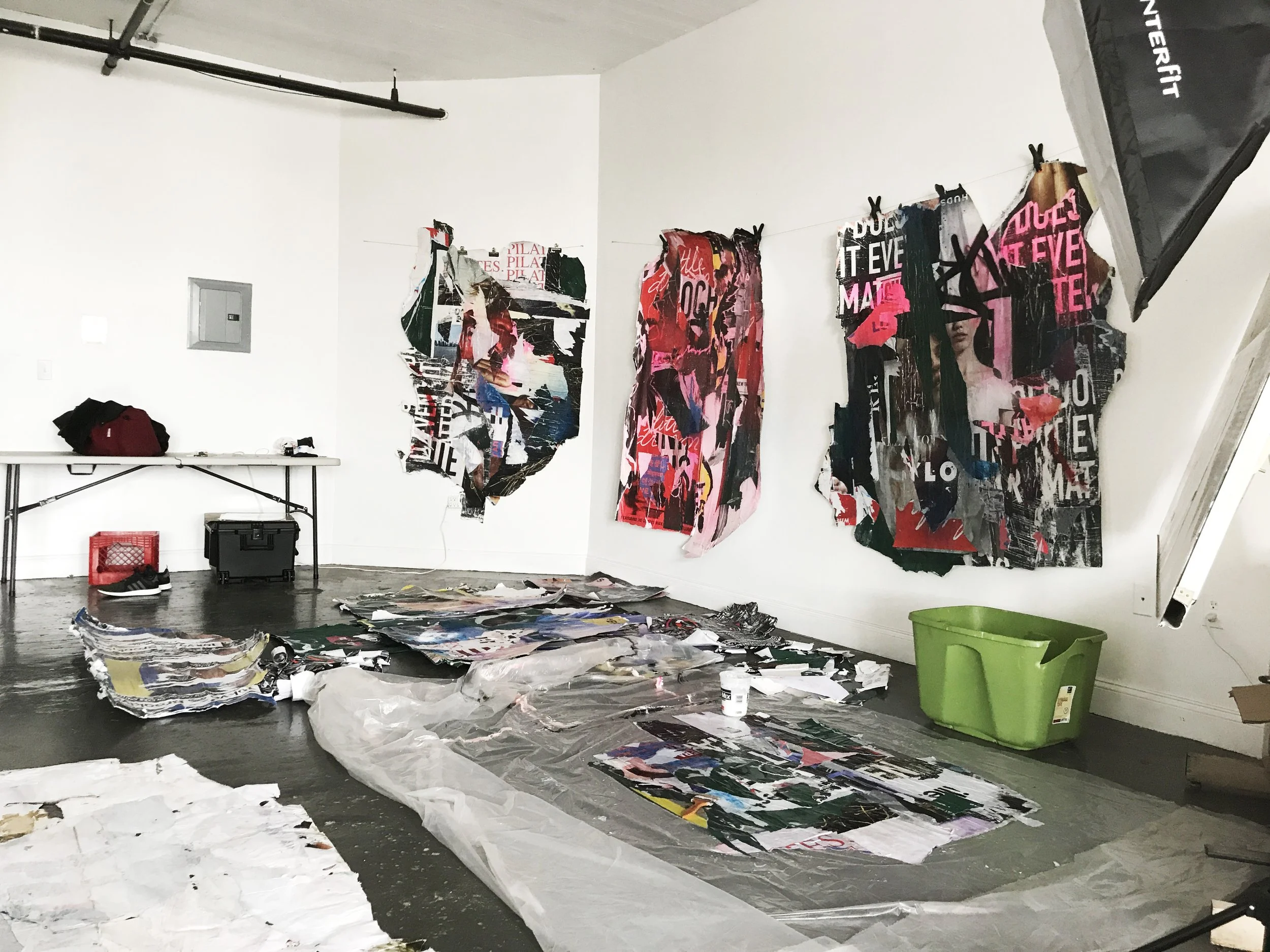
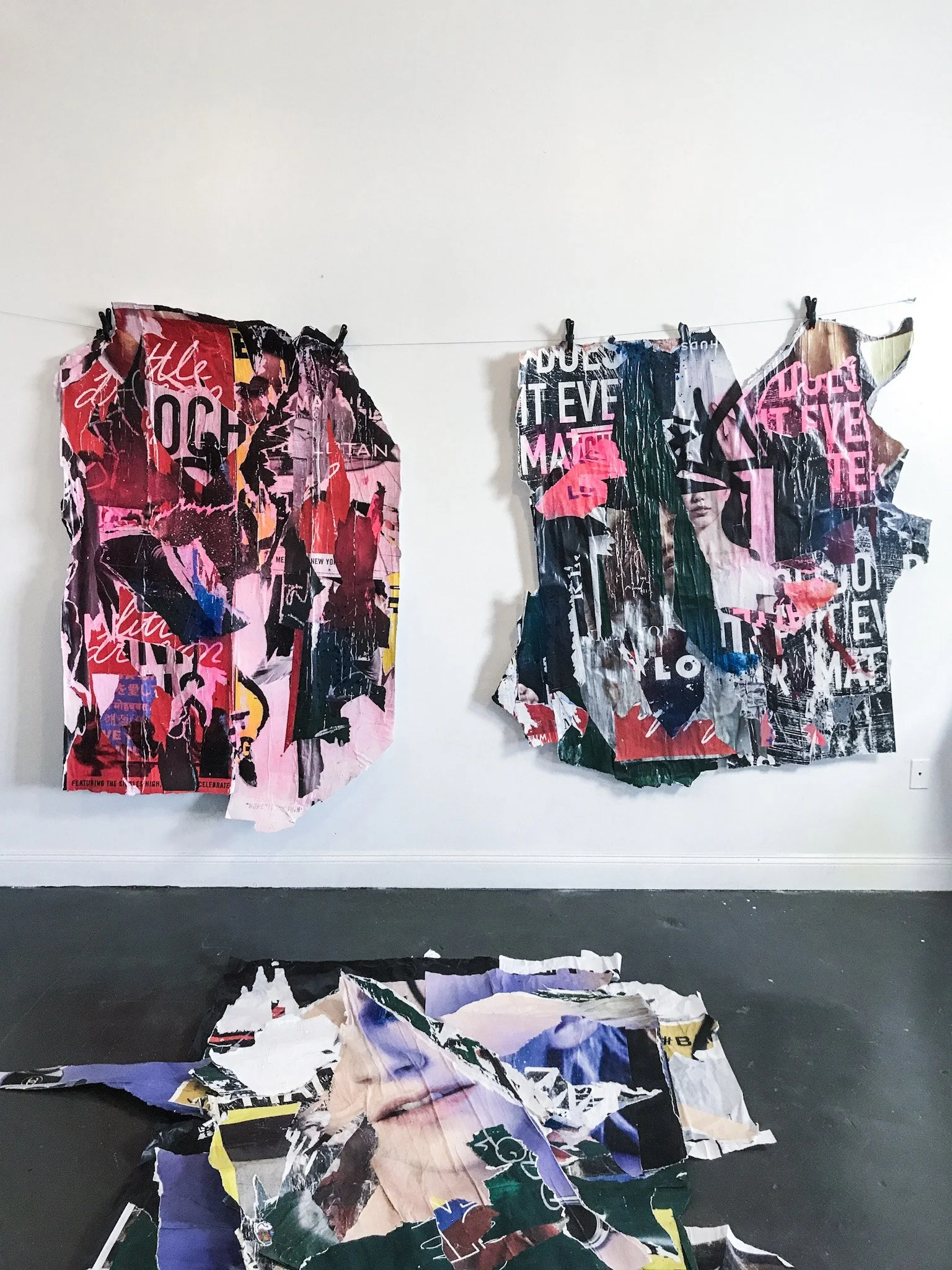
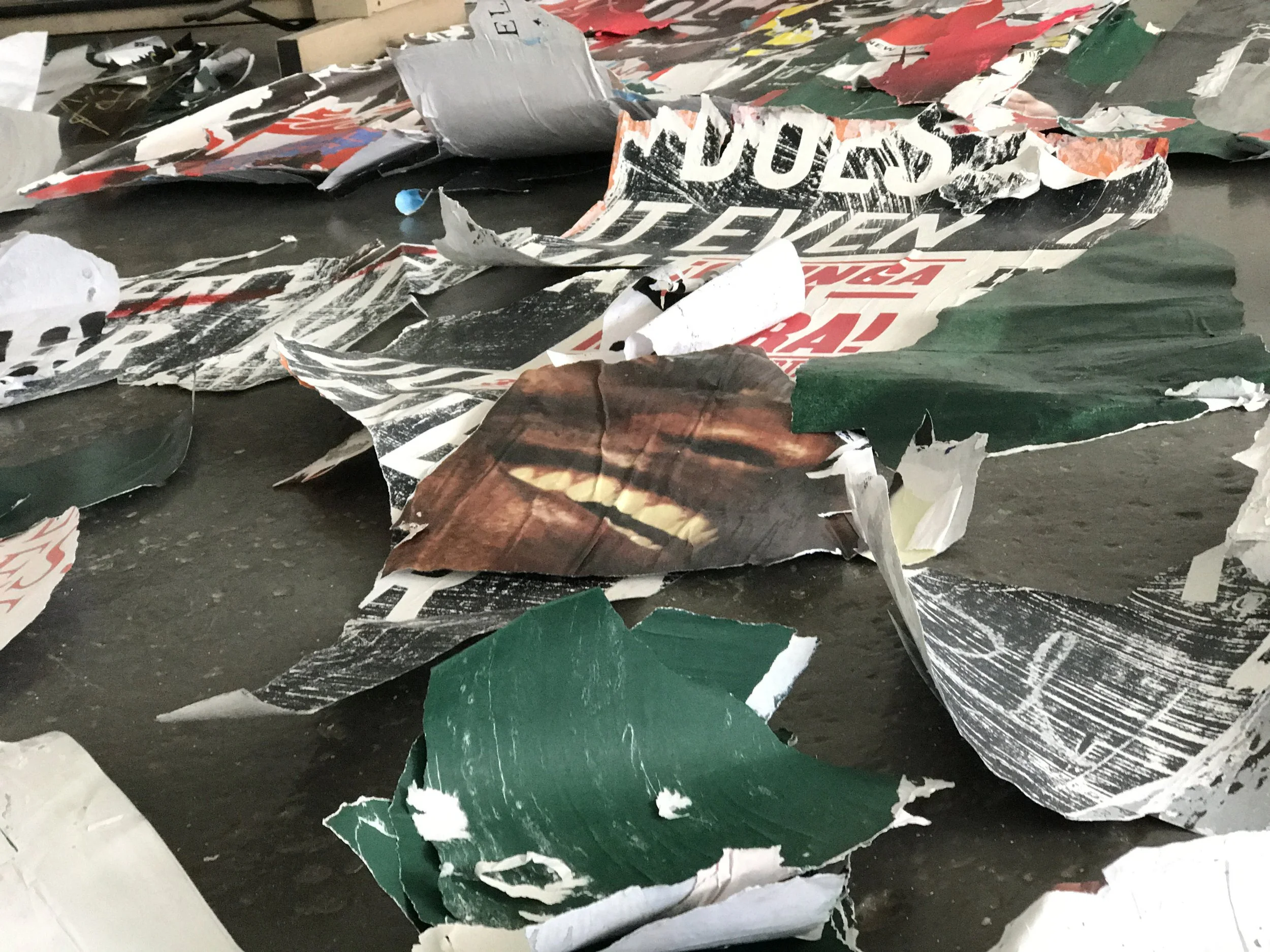
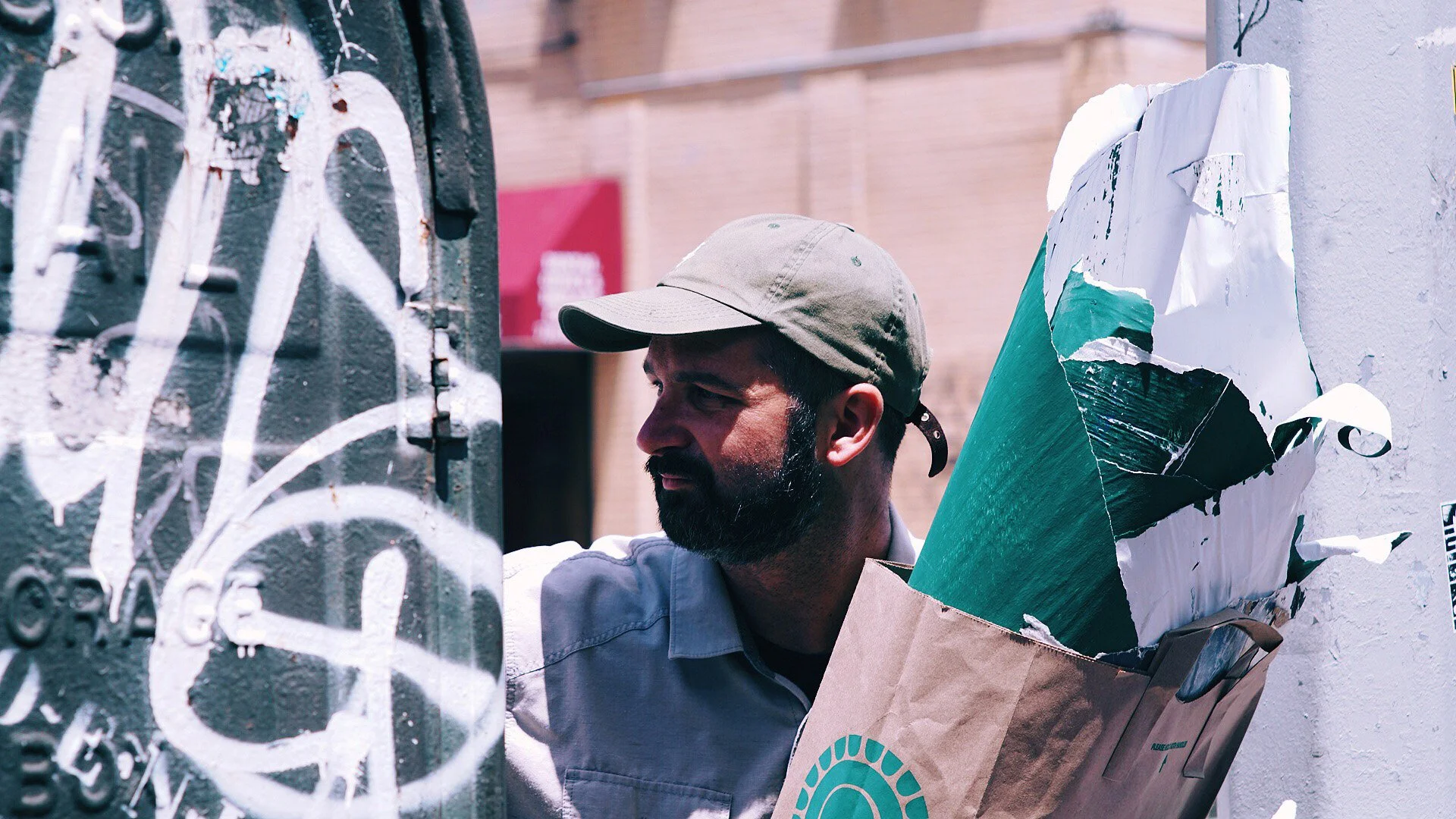
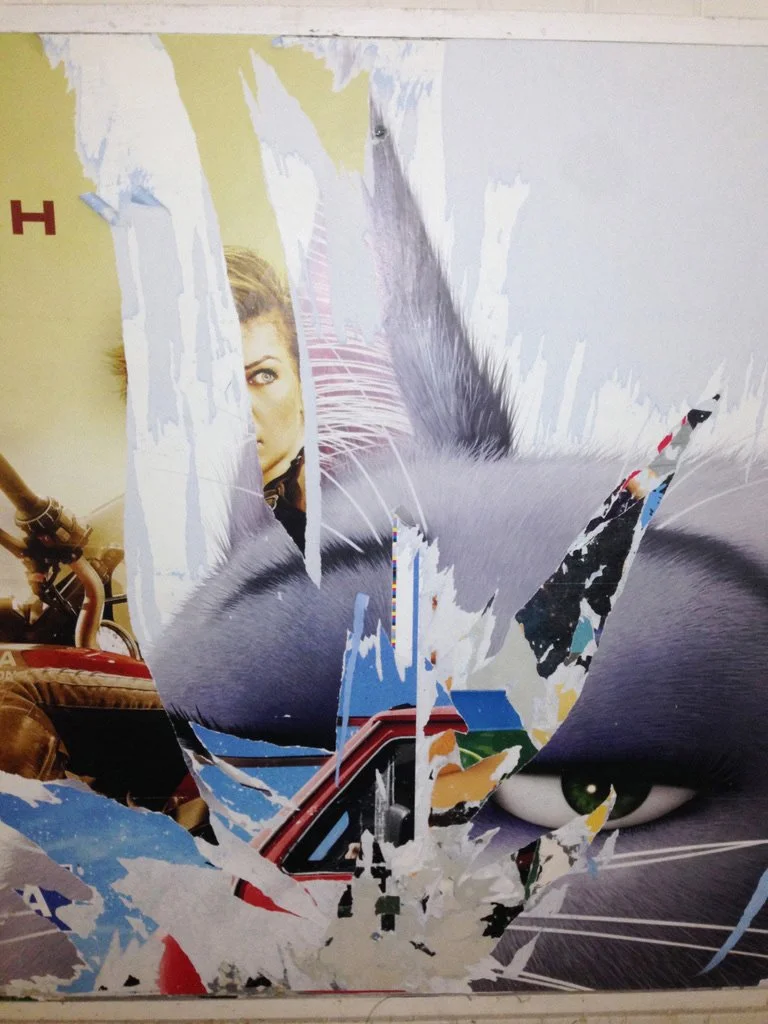
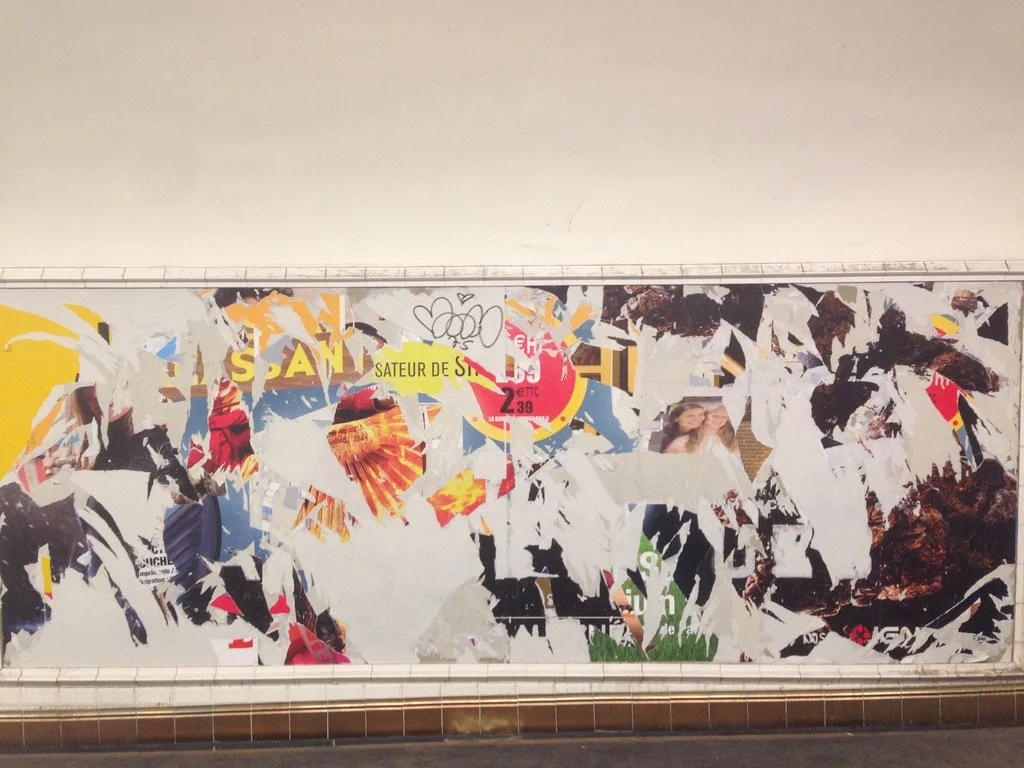
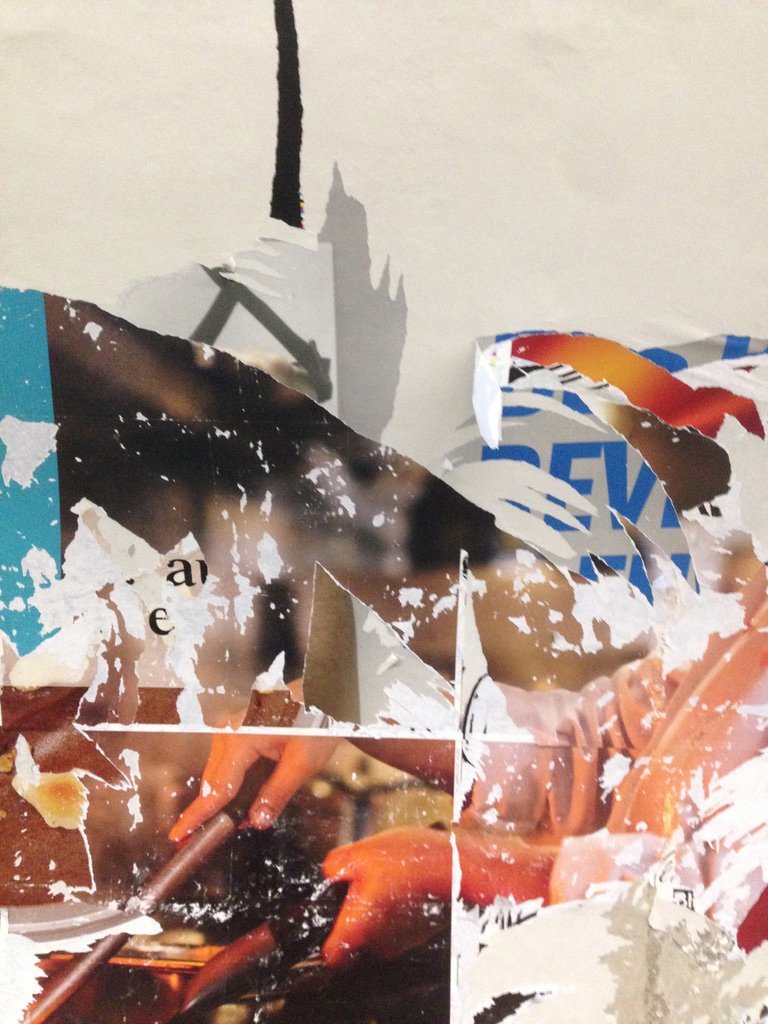
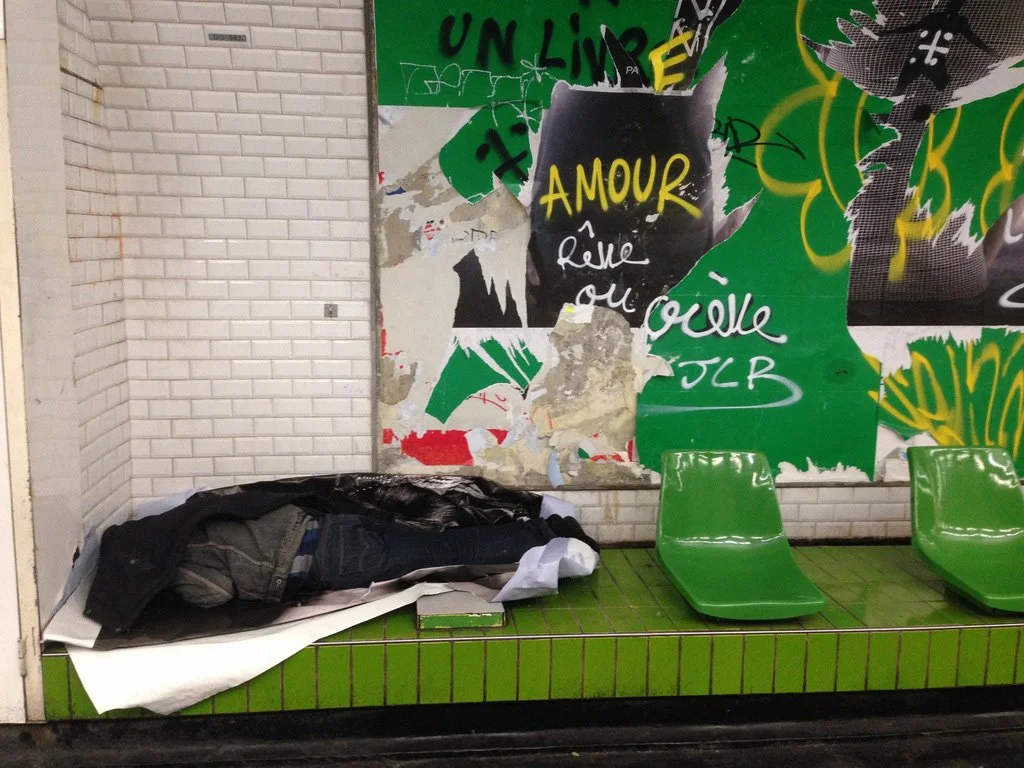
I wrestled for a while with the actual physical material, collecting bags of torn posters while out on my walks and lugging it back to my studio. I would loosen up the hardened glue by soaking sections in water and reactivating the wheat paste. While supple I’d make new compositions with different segments on a plastic drop cloth and leave them to dry over night before adding some embellishments of my own, then sealing them up with a thick coat of PVA. The end results were slightly more sculptural feeling and I loved the irregular shapes. I wanted to push further in that direction, but in the mean time I kept documenting texture I couldn’t collect physically and making digital collages on my phone.
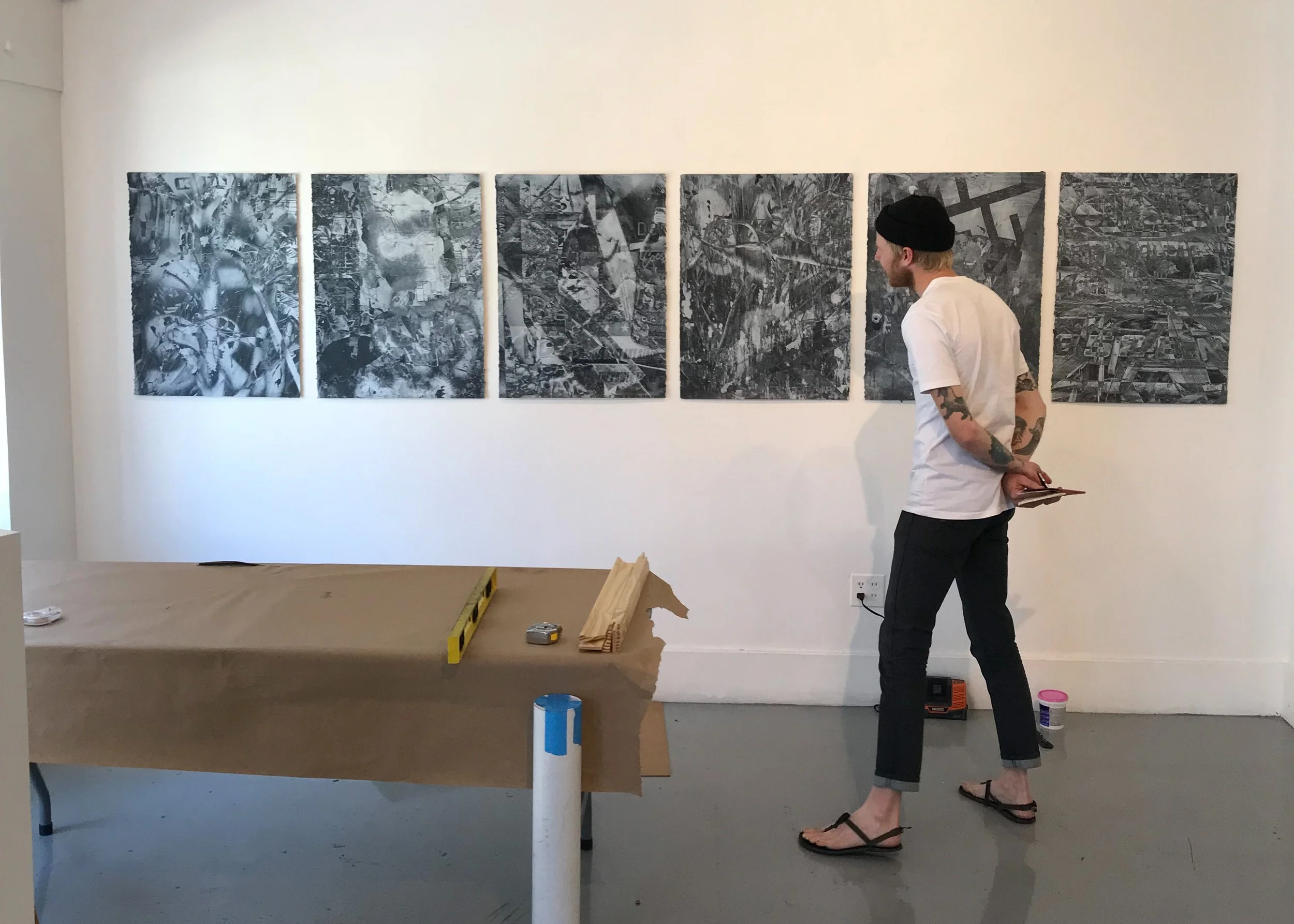
Digital collages made on my phone printed with UV pigment over black acrylic, exhibited at 1AM San Francisco in 2018.
A massive creative break came when I invested in a relatively inexpensive piece of hardware called a Structure 3D Sensor that clipped to the front of my iPad. I started making scans of arrangements of found or discarded objects and remapping them with the street textures from my library. It made for some really fascinating results, especially as the incomplete scans had jagged edges and artifacts aesthetically similar to the torn posters. It felt like really new territory, especially as I could position cameras in 3D software and position/rotate and light the models in interesting ways to create compositions that further abstracted the source material. There was an instant connection to the shapes and forms of mid-90’s/early-2000’s 3D graffiti that I had loved and aspired to emulate in my early days of painting.
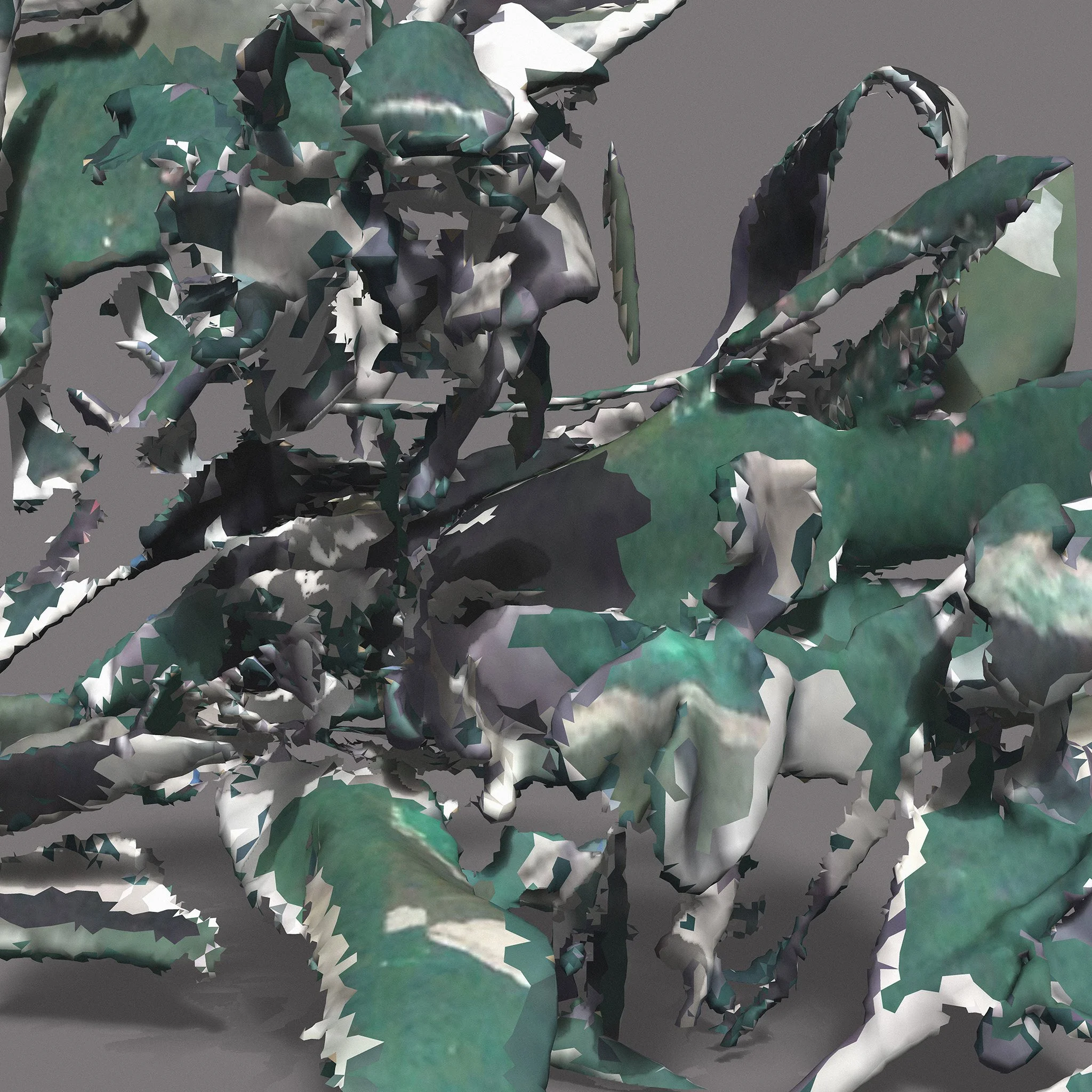
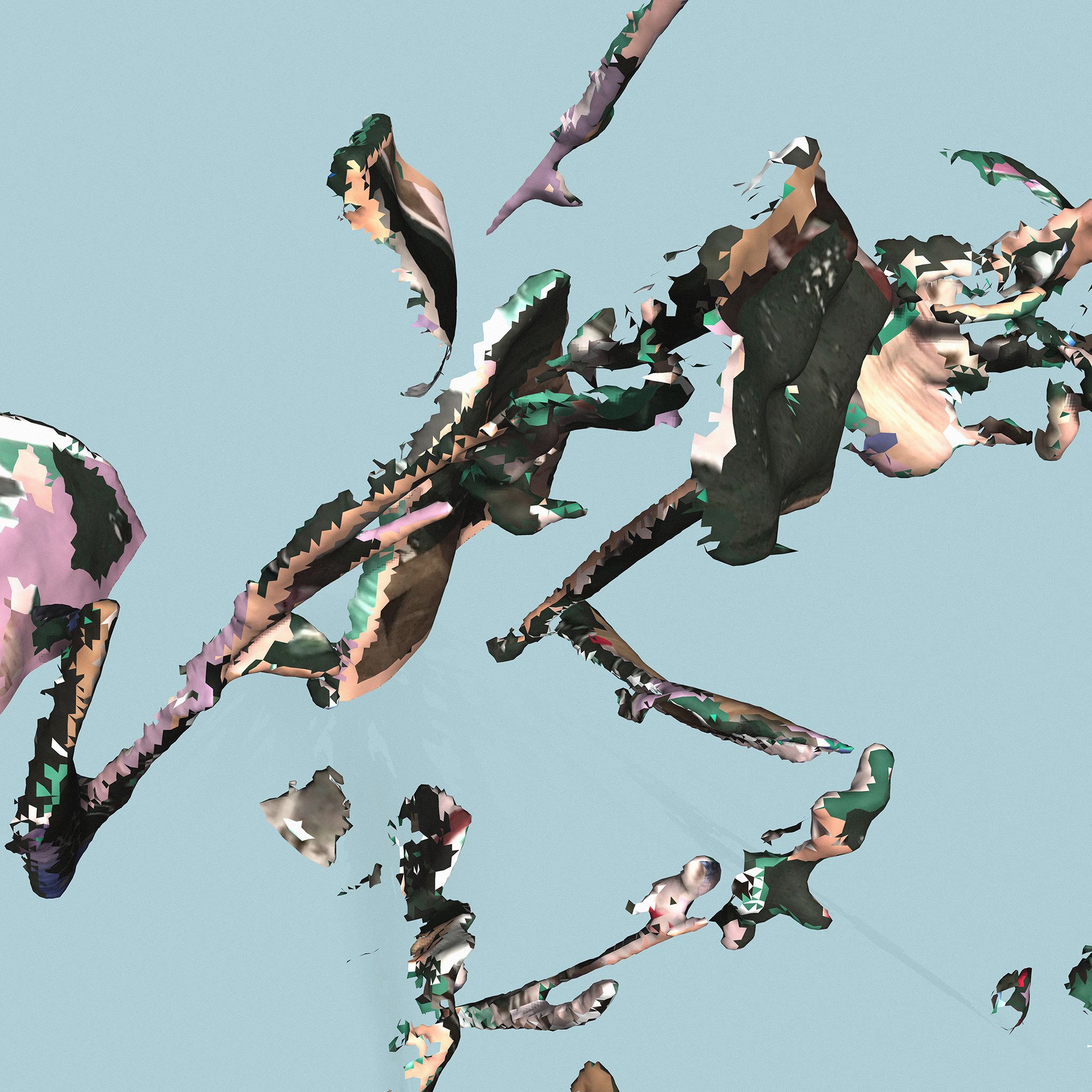
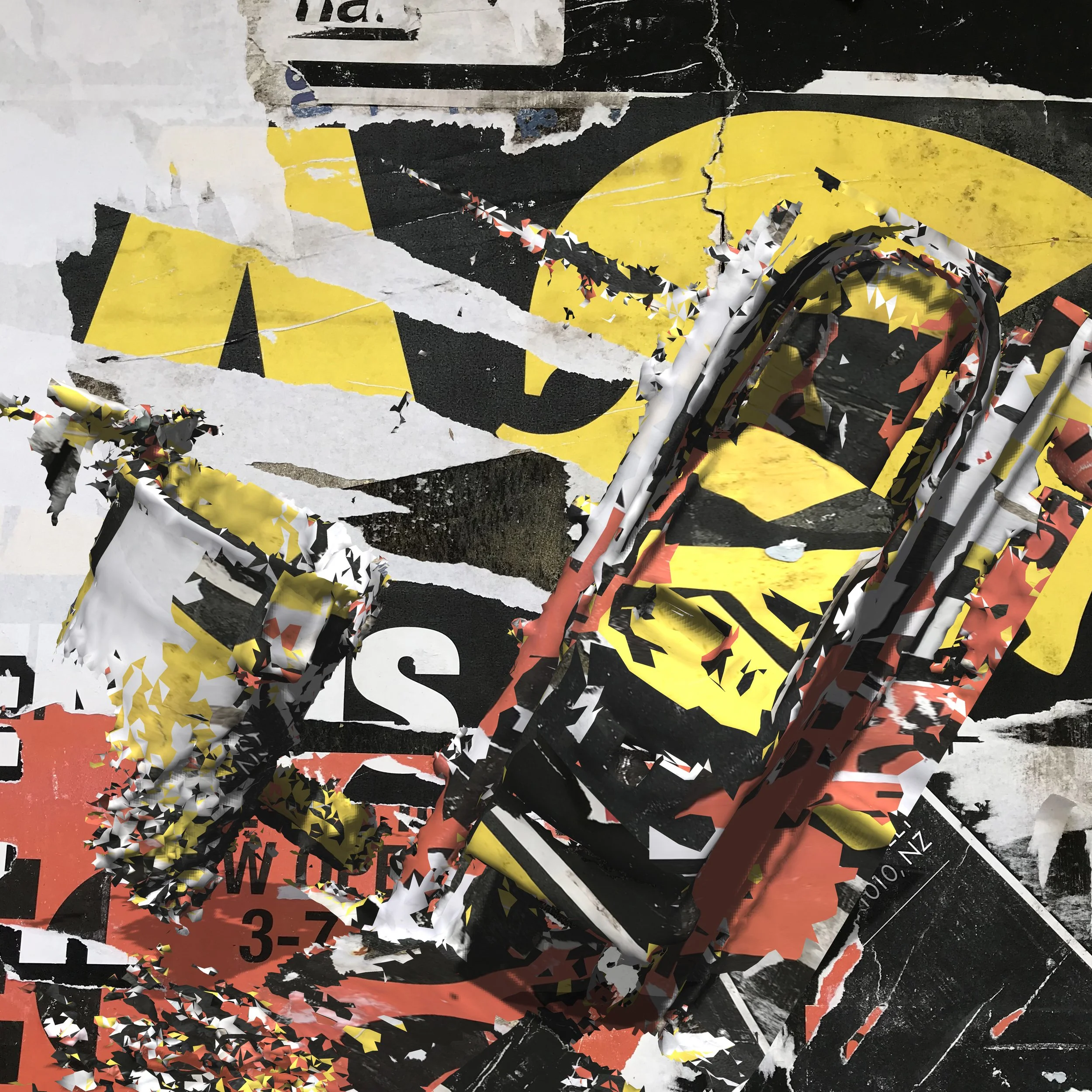
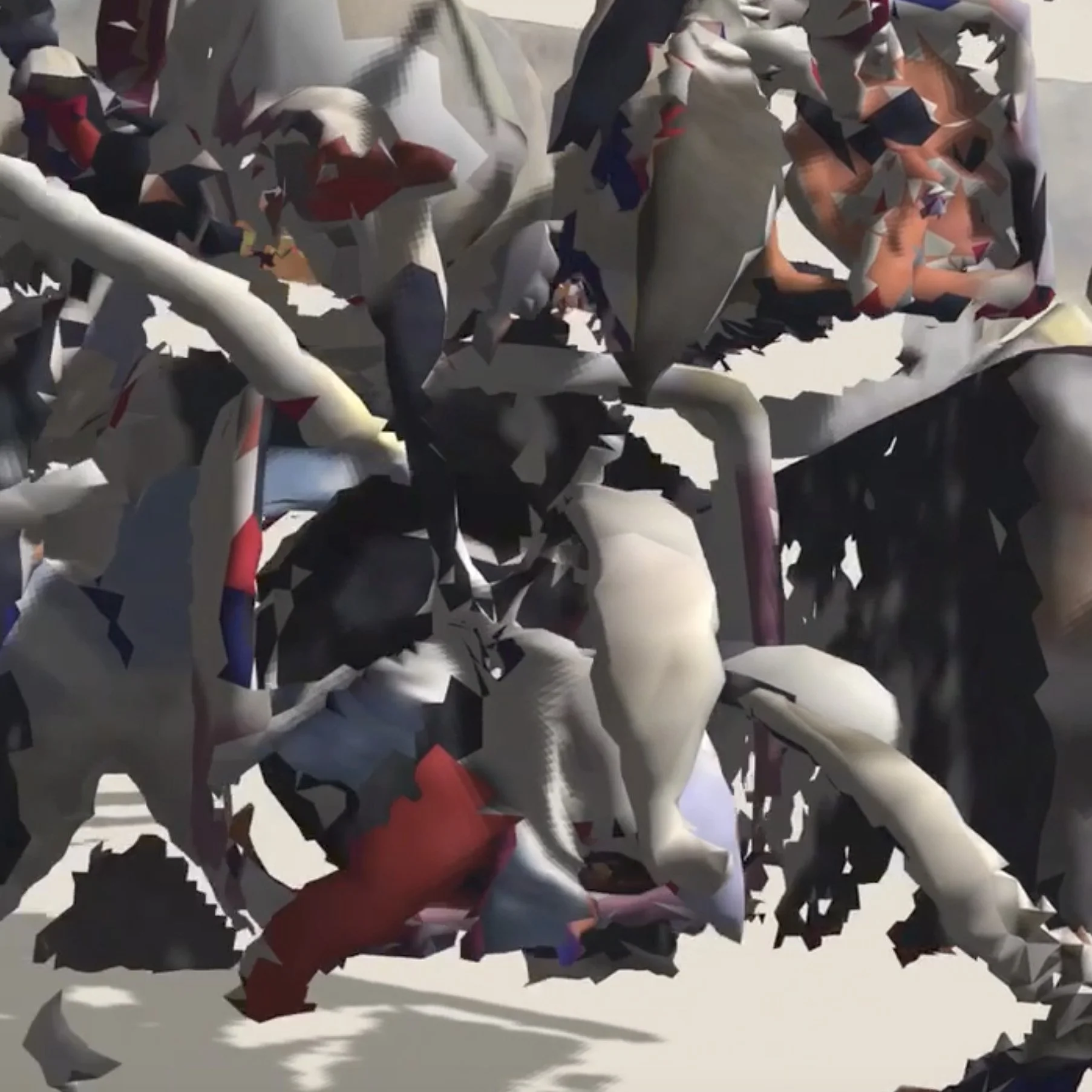
There was another cool and accessible tool I was playing around with during that time - it was a fun glitch painting app by artist and inventor Algomystic called DestroyPix. I was using it to push the colour and form from the street texture images around but also trying to find a balance between that and utilising the scans and additional layers drawn over in Procreate. While I was out on a project in Shanghai I started planning the first mural in this style for the Rediscover Armadale festival in Western Australia. Even though I was already experimenting with different iterations and merging the aforementioned techniques, for this mural I chose to stick to one of the initial 3D scan works to feel the process of painting through to finish.
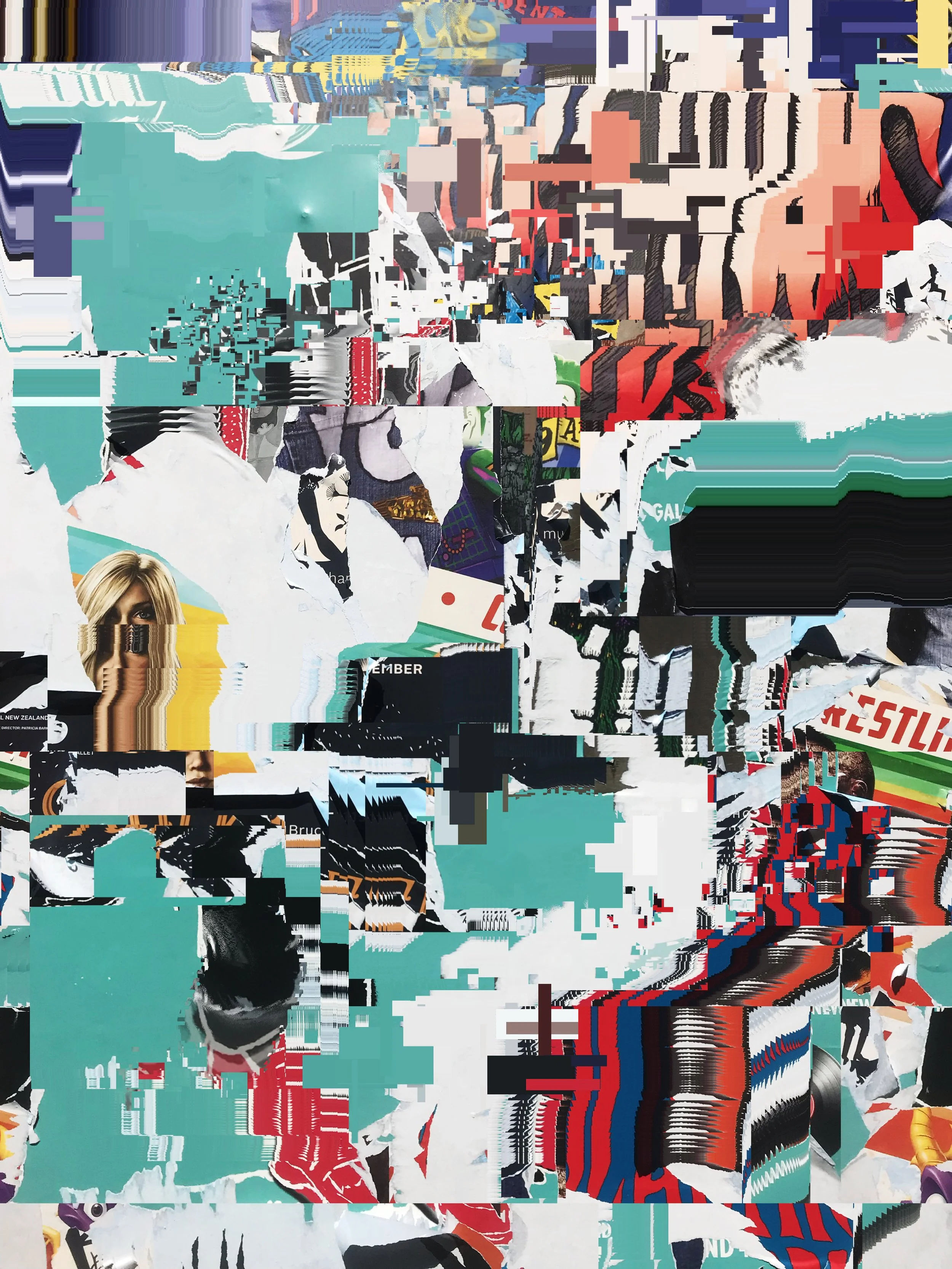
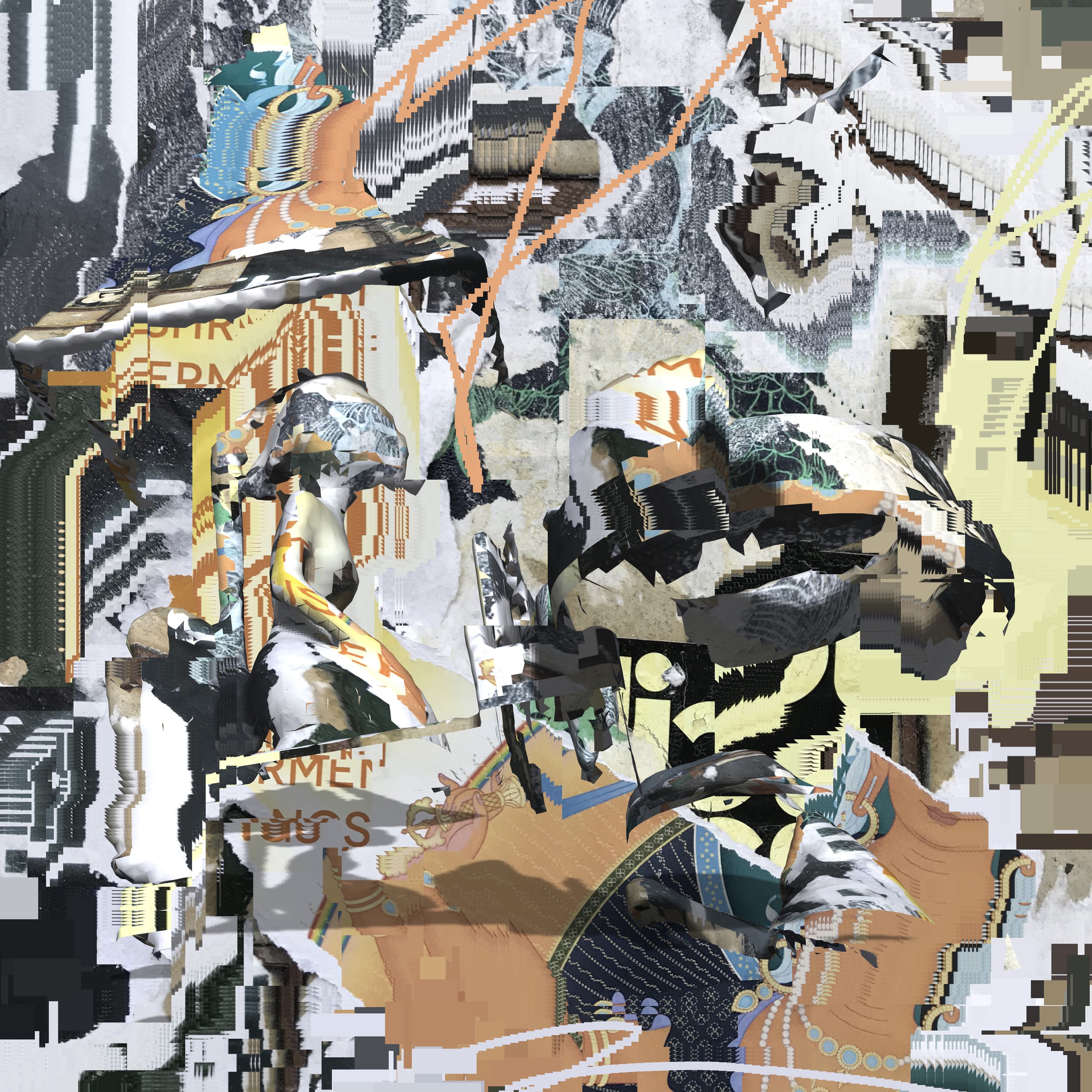
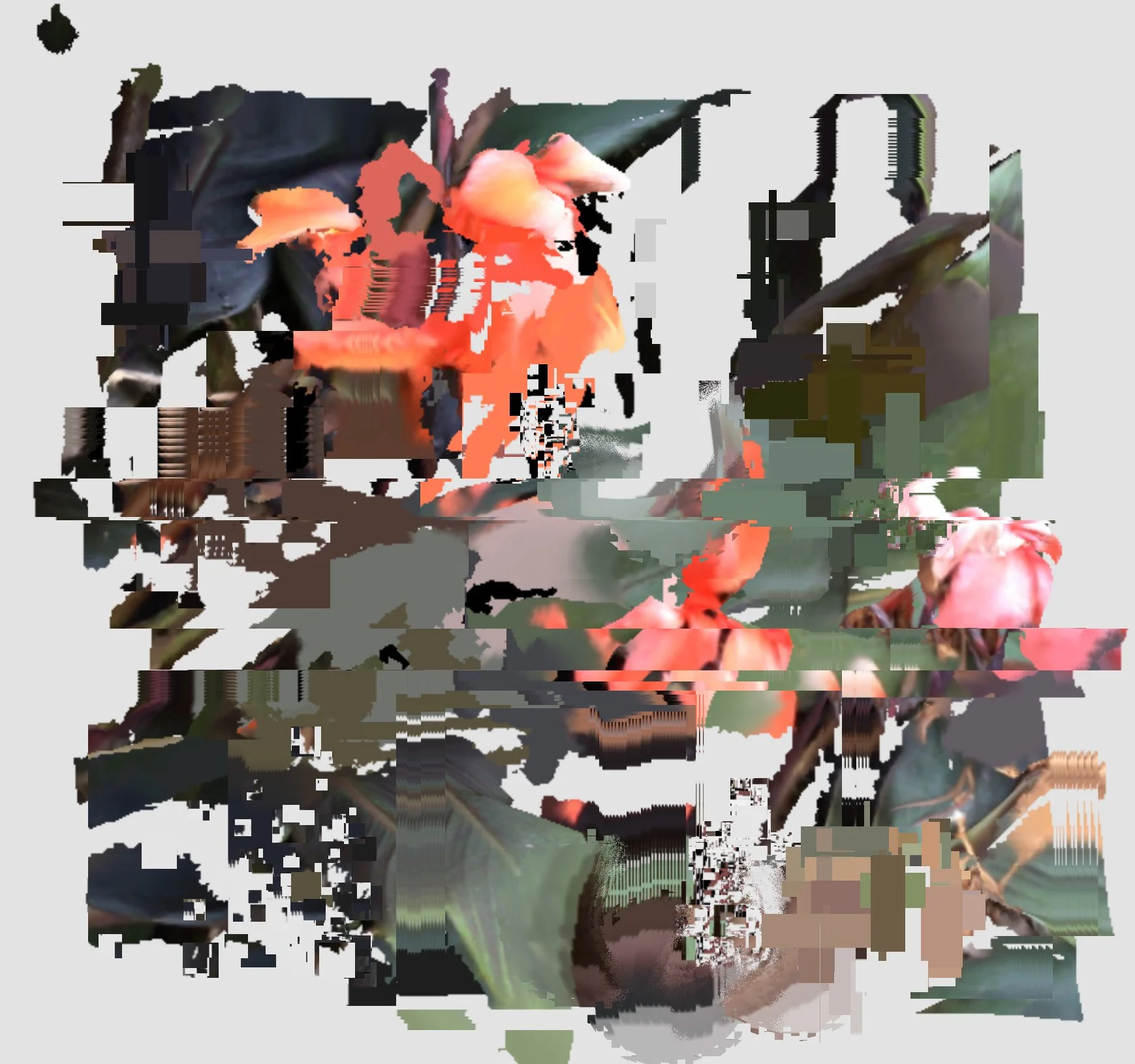
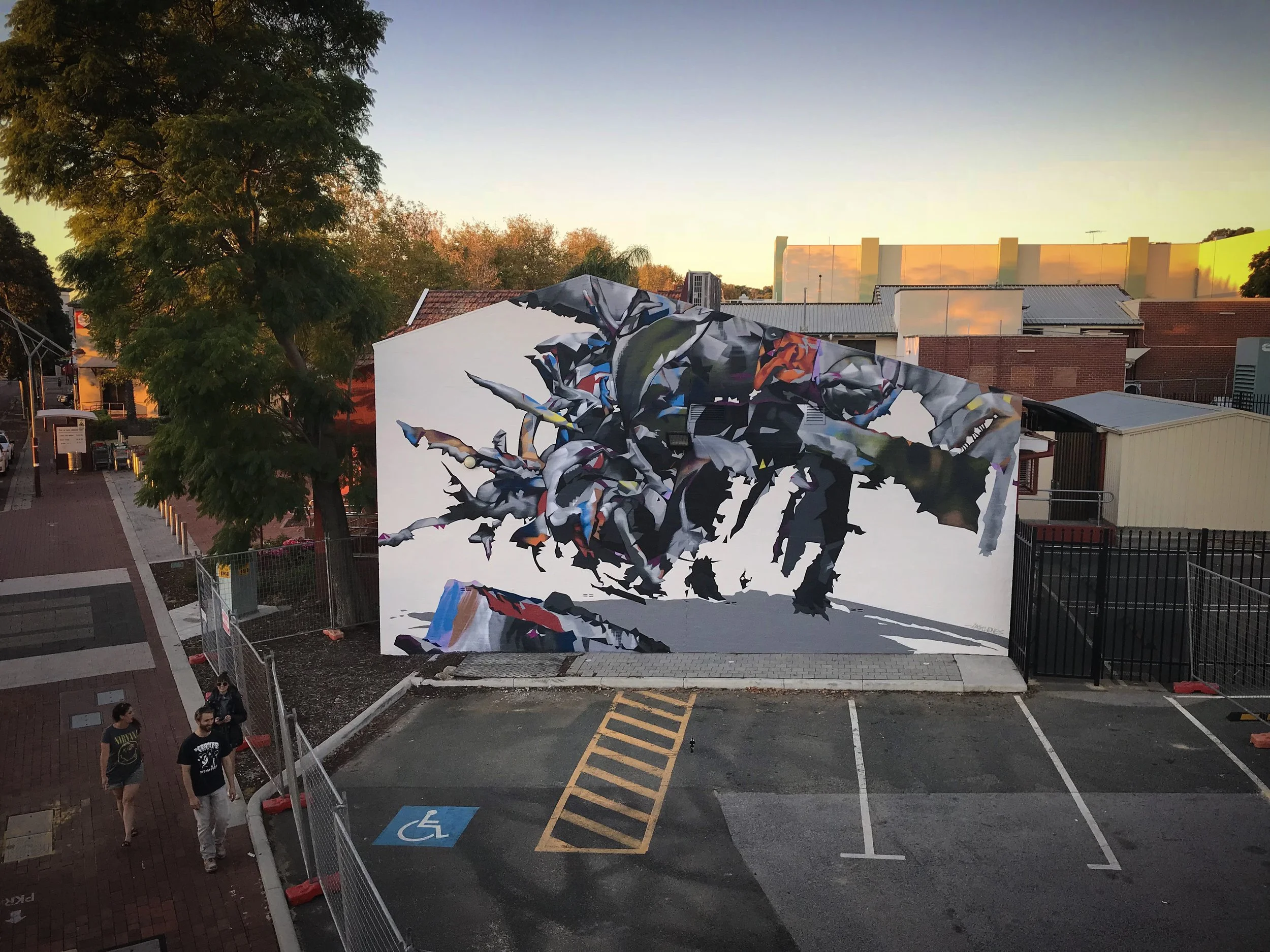
The finished mural in Armadale, painted mostly in spray paint. More photos of the process here.
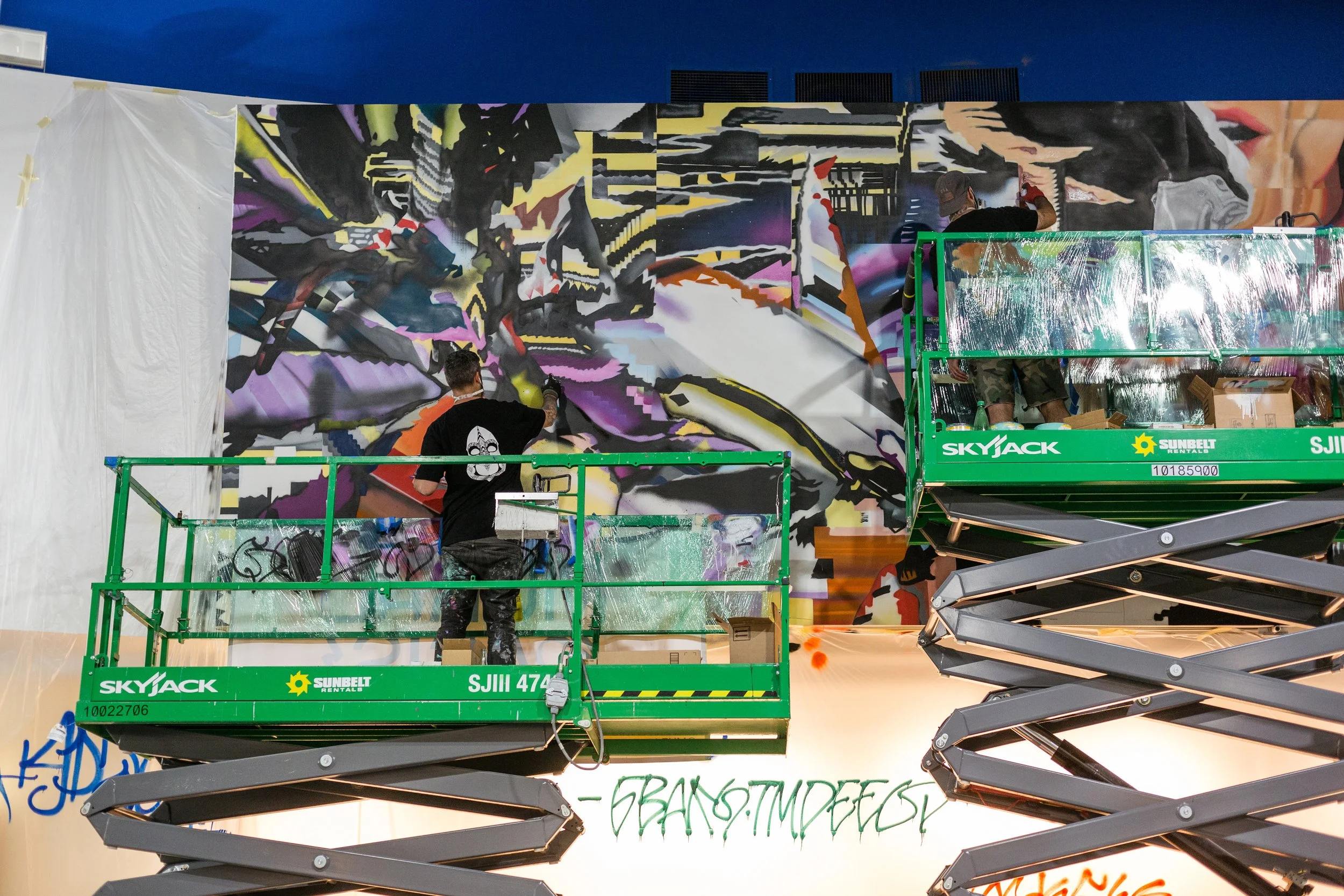
Working with a lot of help from my good friend Haser during the Mural Oasis Project in Primm, Nevada in 2019.
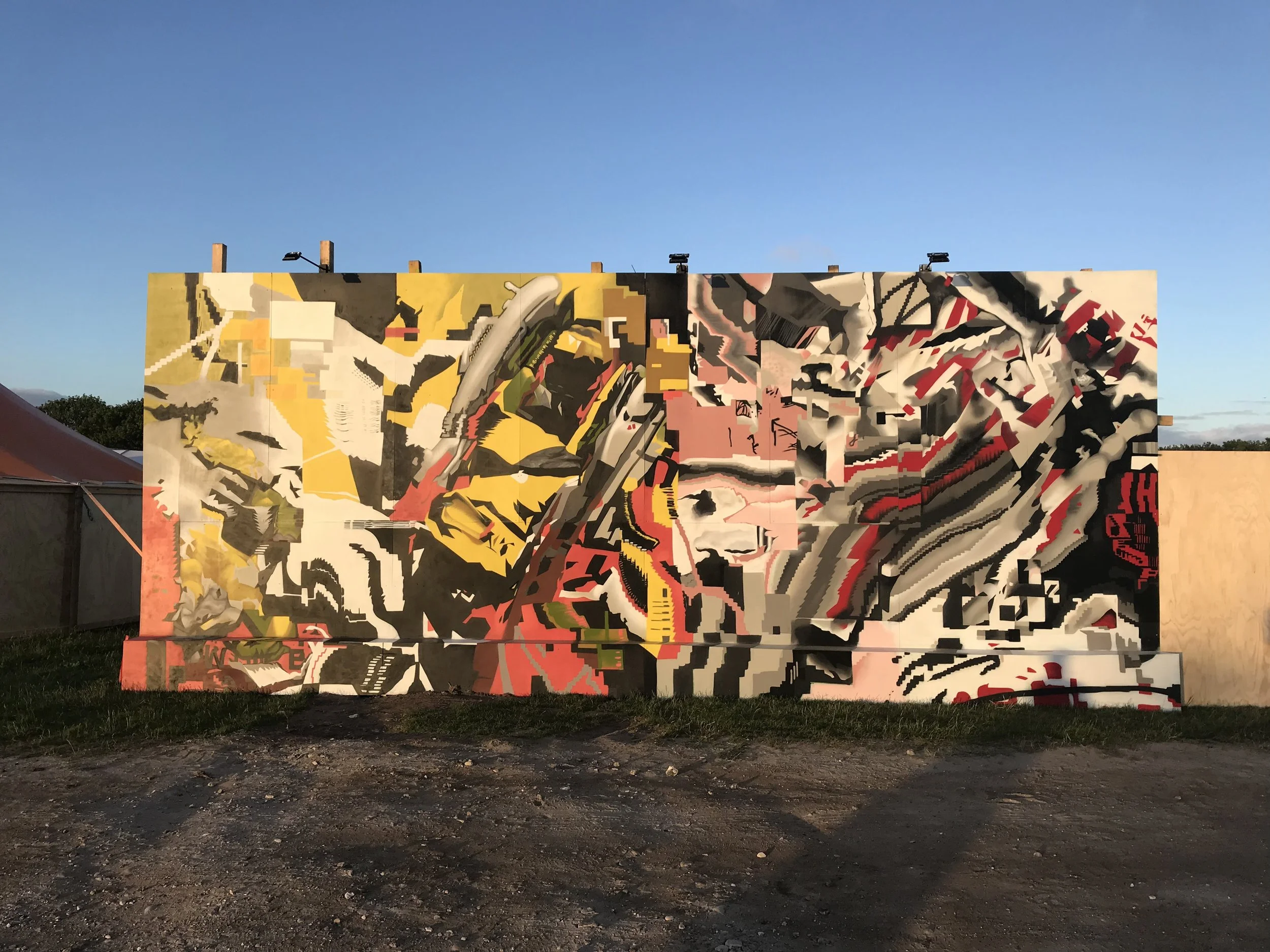
Another mural painted with help from Haser at Roskilde Festival in 2019. This one incorporated all of the technqiues I’d been exploring up until that point.
This feels like a good place to conclude this post. The process continued to develop over the next couple of years and I’d like to get into detail about that too so expect a second part soon!